(858) 224-9100
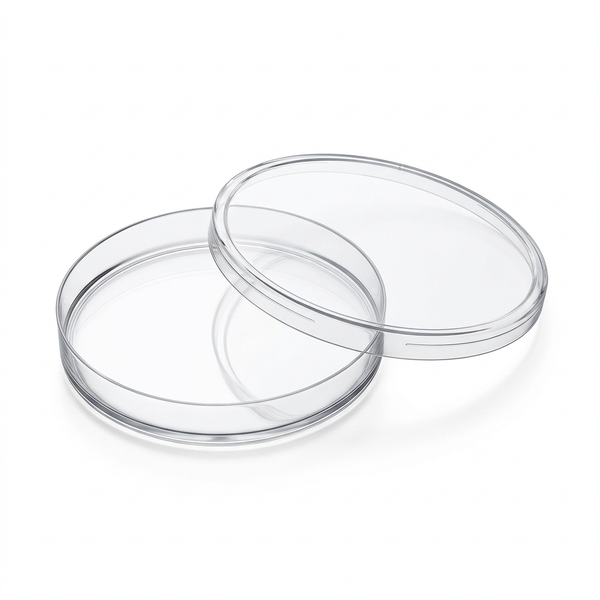
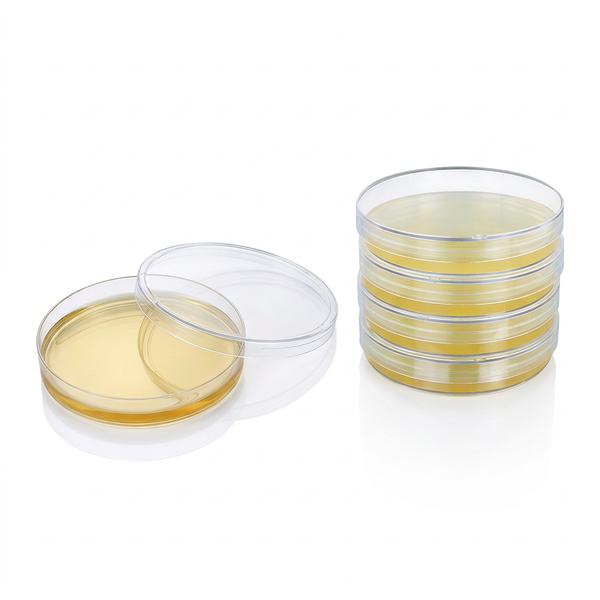
Culture flasks, plates, petri dishes, and accessories for mammalian cell culture.

SKU: TCA-10-0040
SKU: TCA-10-0070
From tissue culture-treated plates to growth media and supplements, we stock the consumables that keep your cultures growing. All cell culture plasticware is sterile, individually wrapped, and ready for use.
| Format | Growth Area | Working Volume | Best For |
|---|---|---|---|
| 6-Well | 9.6 cm² | 2–3mL | Transfections, large-scale assays, colony forming |
| 12-Well | 3.8 cm² | 1–2mL | Dose-response studies, moderate throughput |
| 24-Well | 1.9 cm² | 0.5–1mL | Screening assays, migration studies |
| 48-Well | 0.95 cm² | 0.2–0.5mL | Compound screening, proliferation assays |
| 96-Well | 0.32 cm² | 100–200µL | High-throughput screening, ELISA, cytotoxicity |
TC-Treated (tissue culture-treated) surfaces are plasma-modified to be hydrophilic, promoting cell attachment for adherent cell lines (HeLa, CHO, HEK293). Untreated surfaces are hydrophobic and used for suspension cultures, non-adherent cell types, or applications where attachment is not desired.
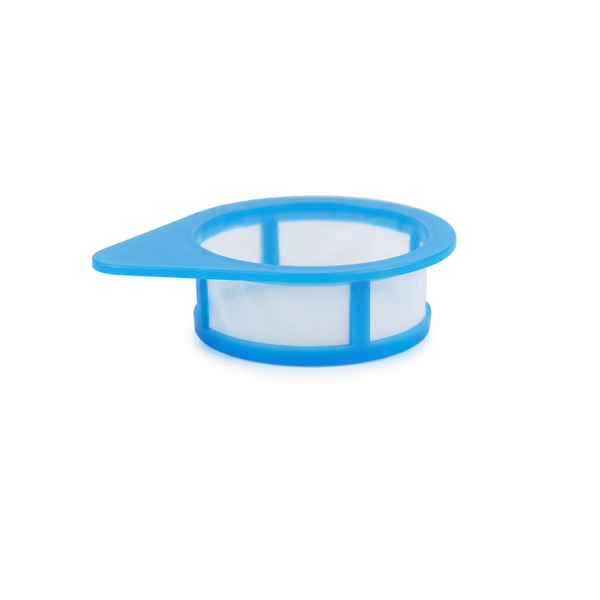
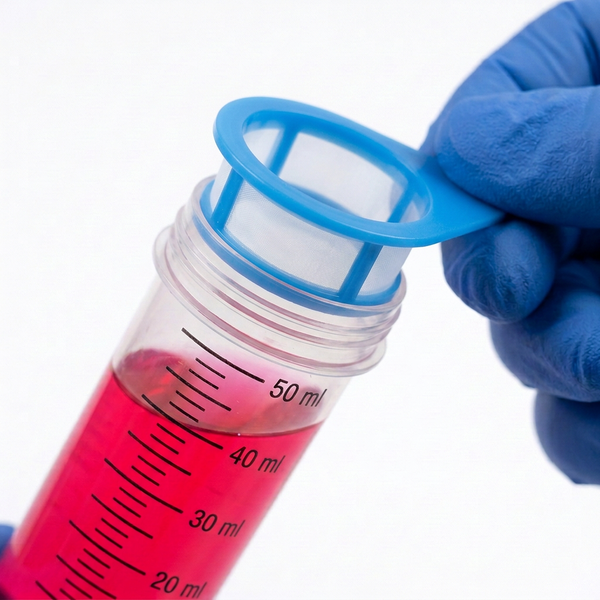
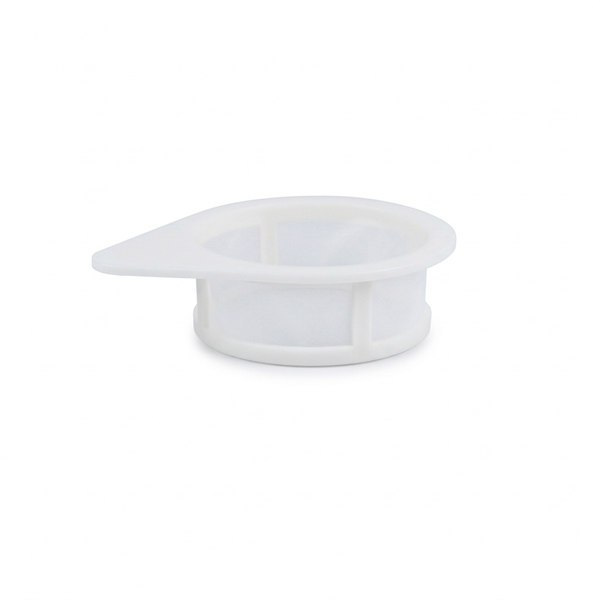
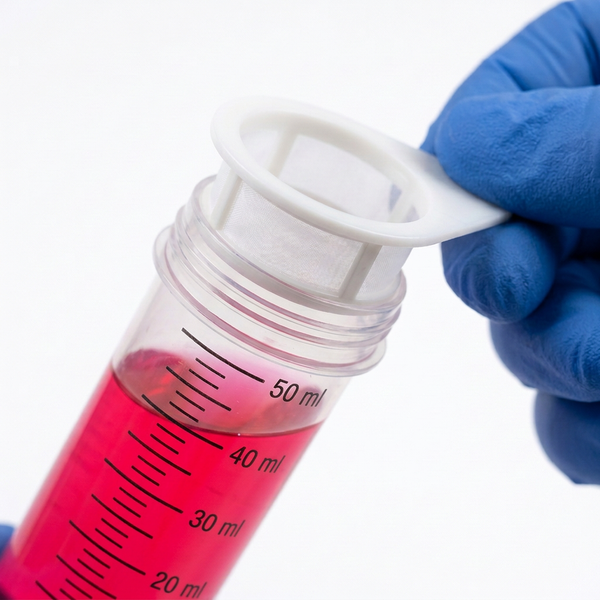
40µm — Removes clumps from single-cell suspensions for flow cytometry and cell sorting. 70µm — General-purpose straining for tissue digests and primary cell isolations. Both fit standard 50mL conical tubes.
Yes. Our cell culture plates and flasks are TC-treated for optimal cell attachment of adherent cell lines. Untreated options are also available for suspension culture and non-adherent cell types.
We carry 6-well, 12-well, 24-well, 48-well, and 96-well plates in flat-bottom and round-bottom configurations, plus specialty plates for specific assays.
Yes. We carry sterile cell strainers in 40µm and 70µm pore sizes. They fit standard 50mL conical tubes and are individually wrapped for aseptic use.
We carry trypsin-EDTA and non-enzymatic cell dissociation reagents. Non-enzymatic options are gentler on sensitive cell types and preserve surface markers for downstream analysis.
Yes. Our PETG vacuum filter flasks are available with 0.22µm and 0.45µm PES membranes for sterile filtration of media, buffers, and supplements. Volumes from 250mL to 1000mL.