
(858) 224-9100
Miniprep, midiprep, and maxiprep kits for high-purity plasmid DNA isolation from E. coli and other bacterial hosts. Silica column-based purification with endotoxin removal options.

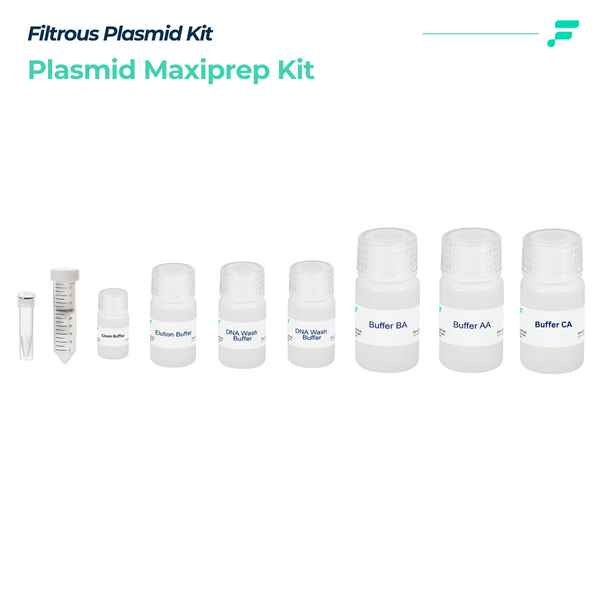
SKU: MXA-CO-0025
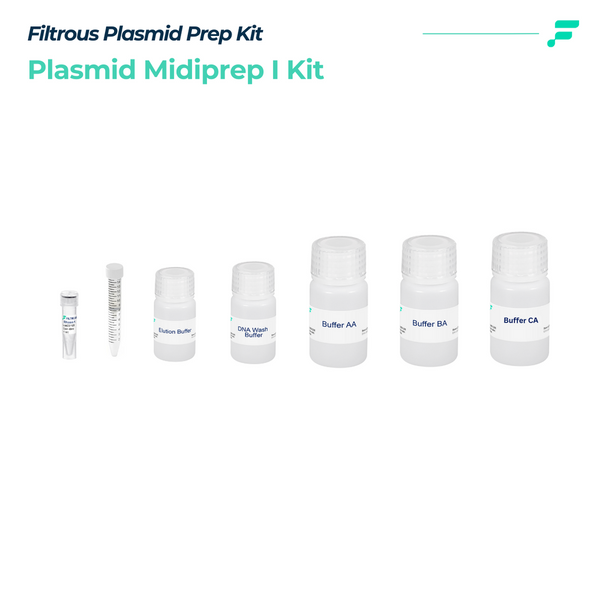
SKU: MDA-CO-0025
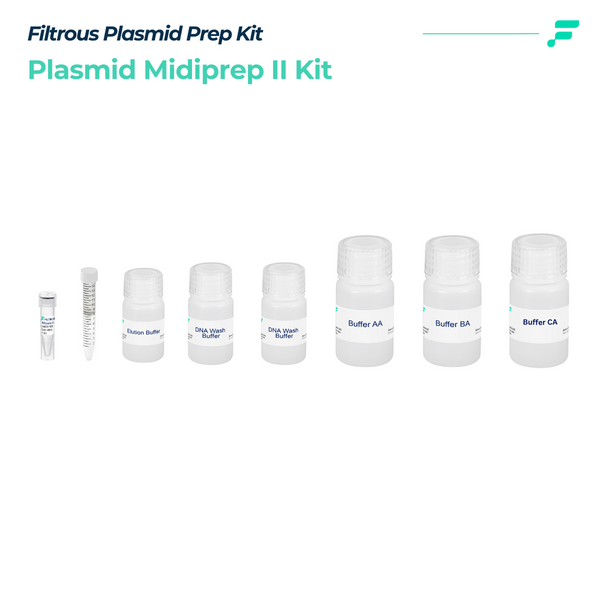
SKU: MDB-CO-0025
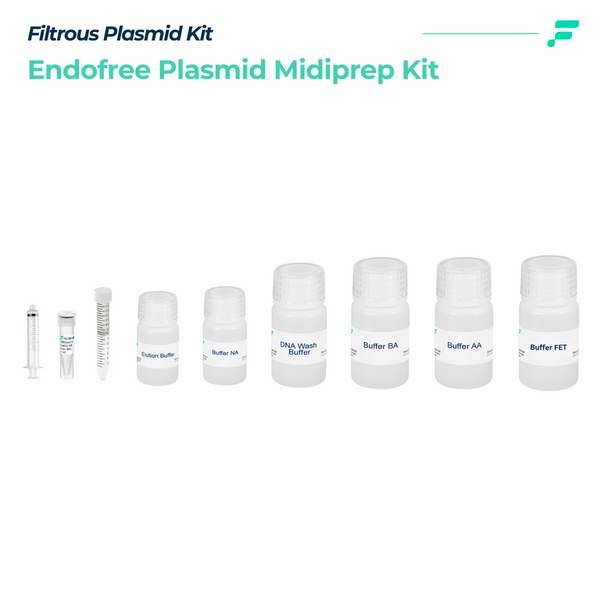
SKU: MDA-EF-0025
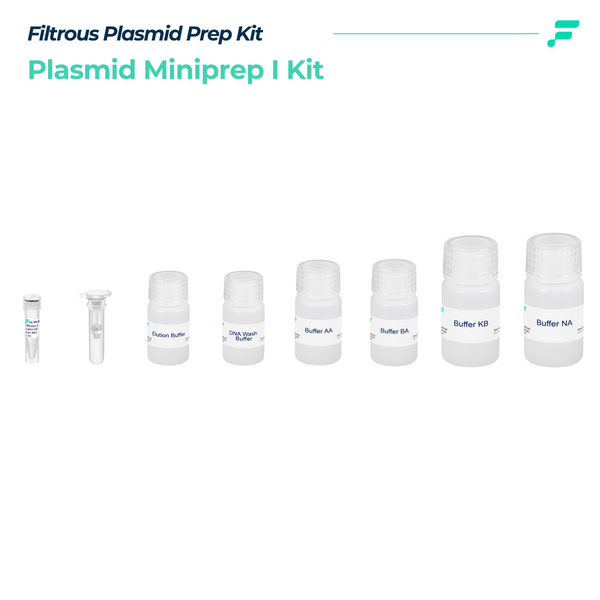
SKU: MNA-CO-0050
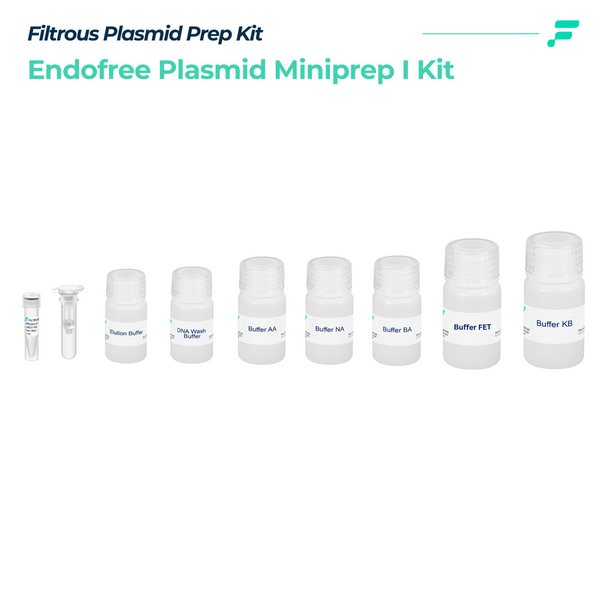
SKU: MNA-EN-0050
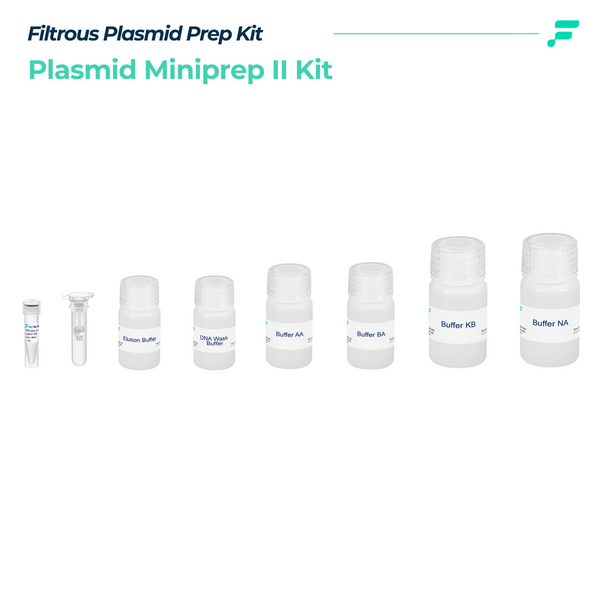
SKU: MNB-CO-0050
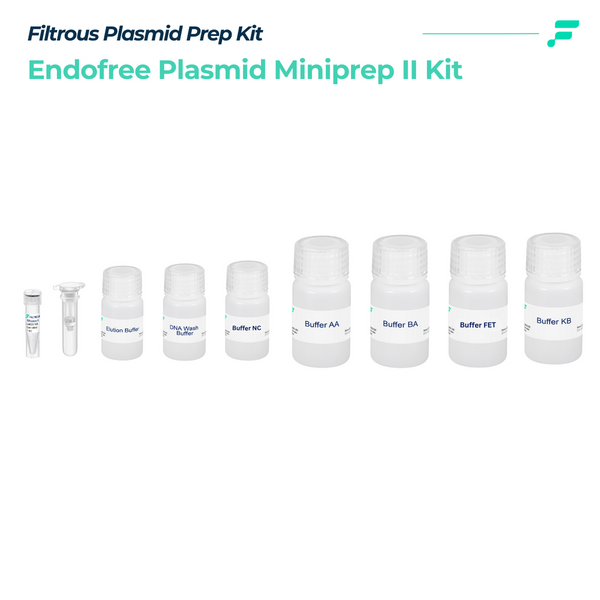
SKU: MNB-EN-0050
SKU: QBE-PX-0500
SKU: QBE-PY-0500
SKU: QBE-PZ-0500
SKU: QBE-PB-0500
SKU: QBE-QB-1000
SKU: QBE-QC-1000
SKU: QBE-QF-1000
SKU: QBE-QN-0500
SKU: QBE-N3-0500
Plasmid DNA purification kits are sized by the volume of bacterial culture they process. Minipreps (1–5 mL culture) yield 5–20 µg for routine cloning checks. Midipreps (25–100 mL) yield 100–200 µg for transfection experiments. Maxipreps (100–500 mL) yield 500–1,000 µg for large-scale transfection, in vivo studies, or sequencing projects.
Plasmid yield depends on copy number, culture density, and lysis efficiency. High-copy plasmids (pUC, pBluescript) give 3–5x more DNA than low-copy vectors (pBR322, BACs). Always grow cultures to late log phase (OD600 1.5–2.0 for high-copy) and do not exceed recommended culture volumes for the column capacity. Overloading the column reduces purity and yield.
Use endotoxin-free (EF) kits when preparing plasmid DNA for transfection of mammalian cells, especially sensitive primary cells or for in vivo applications. Endotoxin (LPS) contamination can activate immune responses and reduce transfection efficiency. Standard minipreps are fine for sequencing, restriction digestion, and cloning.
Typical requirements: 0.5–2 µg per well in a 6-well plate, 5–10 µg for a 10 cm dish, and 20–50 µg for electroporation or large-scale transfection. A single midiprep (100–200 µg) provides enough DNA for most cell culture transfection experiments.
Yes. Miniprep DNA purified on silica columns is suitable for Sanger sequencing. Most sequencing facilities require 100–200 ng/µL in 10–15 µL, which is easily achieved from a standard miniprep. Ensure the A260/280 ratio is above 1.8 for clean sequencing reads.
Common causes: insufficient culture growth (harvest at OD600 ≥1.5), low-copy-number plasmid (expected), incomplete lysis (ensure thorough but gentle mixing), or overloaded column (do not exceed the recommended culture volume). Also verify that the resuspension buffer contains RNase A.
Store eluted plasmid DNA in TE buffer (10 mM Tris, 1 mM EDTA, pH 8.0) or nuclease-free water at -20°C for long-term storage. For frequent use, aliquot and store at 4°C for up to 1 month. Avoid repeated freeze-thaw cycles. EDTA chelates divalent cations, protecting DNA from nuclease degradation.